MINING & METALS
Exploration through refining, maintenance, and environmental compliance
WHAT IT FEELS LIKE
The orebody doesn’t negotiate. Grade declines, geology changes, and the operation has to adapt or lose yield. But the processes around extraction, blast planning, haul scheduling, crusher utilization, mill throughput, are often running on practices that were optimized for a different ore profile.
Maintenance backlogs grow because the planning process can’t keep pace with equipment degradation in harsh conditions. Shutdown scheduling is a negotiation between production, maintenance, and management that nobody wins. Ore tracking from pit to plant to product is technically possible with the systems in place, but operationally fragmented, reconciliation between mine models, grade control, and plant feed is a quarterly exercise rather than a daily discipline.
Environmental and safety compliance isn’t just a regulatory requirement, it’s an operational one. Incidents disrupt production. Permit violations stop operations. But the processes that prevent them are managed as parallel obligations rather than integrated operations.
The operation extracts, processes, and ships. But it does it with more cost per ton, more variability in recovery, and more operational risk than the orebody and the installed equipment should require.
PROCESSES: MINING & METALS OPERATIONS
Mine Planning & Scheduling
Developing and executing extraction plans that optimize grade, recovery, and equipment utilization against geological constraints. The process where the plan meets the rock.
Drill & Blast Operations
Planning and executing drilling patterns and blast designs to fragment ore efficiently. The process where energy input determines everything downstream.
Load & Haul Operations
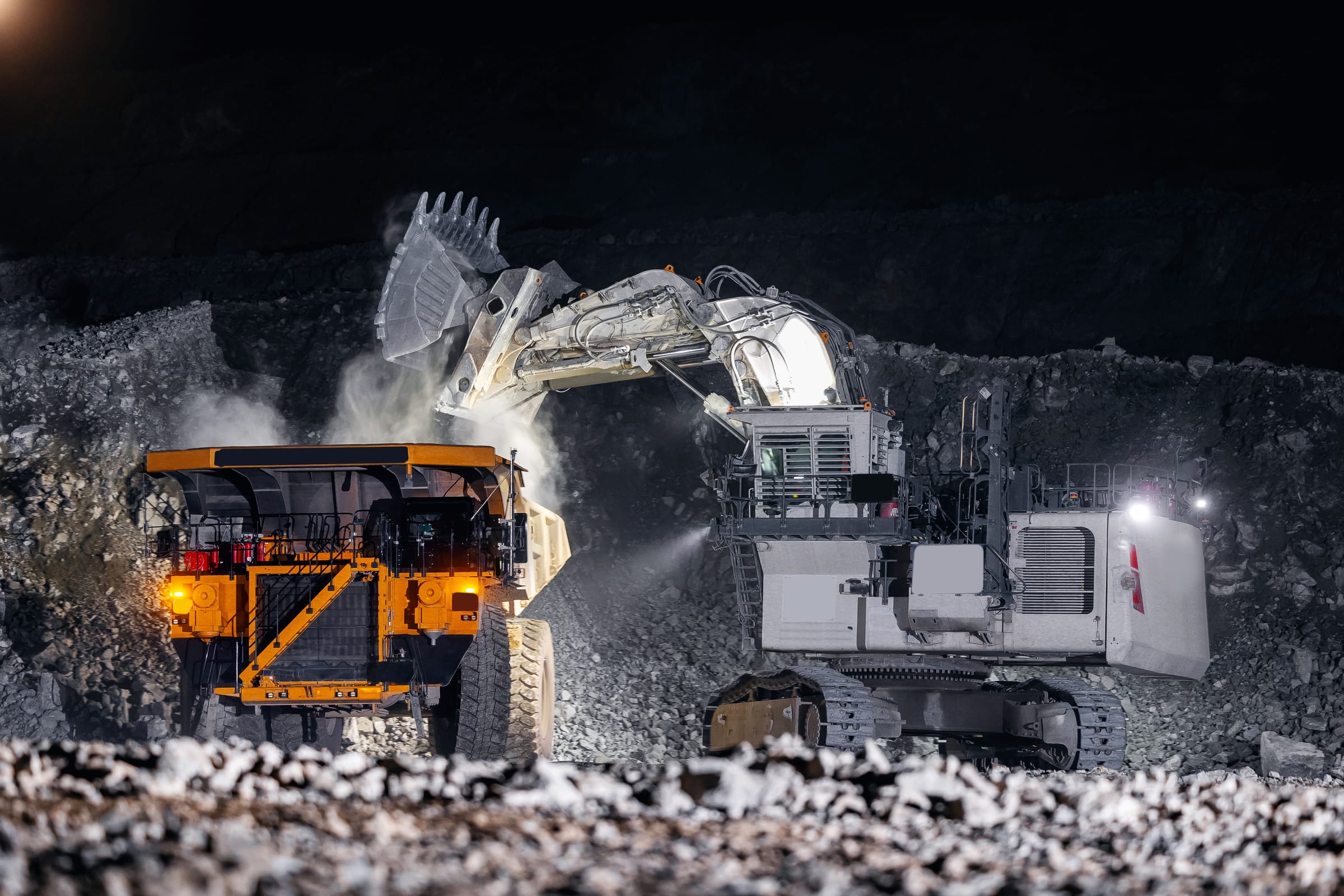
Moving broken material from the face to the crusher or stockpile. The process where truck utilization and cycle times determine the cost per ton.
Crushing & Screening
Reducing ore to target size fractions for downstream processing. The process where throughput, energy consumption, and liner wear define the operating cost.
Milling & Grinding
Reducing ore particle size to liberate valuable minerals from waste rock. The most energy-intensive process in the operation, and the one where small efficiency gains have the largest impact.
Beneficiation & Recovery
Separating valuable minerals from waste through flotation, leaching, gravity, or magnetic separation. The process where metallurgical knowledge meets process control.
Grade Control & Ore Tracking
Measuring, tracking, and managing ore grade from in-situ through processing. The process that connects the mine model to the plant feed and tells you whether your recovery is real.
Tailings & Waste Management
Managing process waste streams including tailings deposition, water balance, and facility monitoring. The process where environmental compliance is operational or it’s a crisis.
Equipment Maintenance & Reliability
Managing the maintenance lifecycle for heavy mobile equipment and fixed plant. The process where uptime is either planned or prayed for.
Shutdown & Turnaround Management
Planning and executing planned maintenance shutdowns to minimize duration and maximize work completion. The process where every hour over plan costs production days.
Metal Accounting & Reconciliation
Tracking material flows and metal balances from mine through to product. The process that tells you whether your operation is actually producing what your models say it should.
Safety & Environmental Compliance
Managing safety systems, environmental monitoring, and regulatory compliance as integrated operations. The process where compliance is either a daily discipline or an incident response.
Supply Chain & Consumables Management
Procuring and managing reagents, explosives, fuel, grinding media, and other consumables. The process where procurement lead times meet operational consumption rates.
Product Shipping & Sales Reconciliation
Managing concentrate or metal product shipment, sampling, assaying, and settlement against sales contracts. The process where the operation’s output becomes the company’s revenue.
WHERE TRANSFORMATION HAPPENS
Mining and metals operations are constrained by geology, governed by physics, and judged by cost per ton. The orebody is what it is. The equipment is what it is. The only variable the operation controls is how well it runs the processes between the rock and the revenue.
The Bismark Method maps these operations at the archetype level, exposing where Scheduling gaps create idle equipment, where Monitoring is retrospective rather than predictive, where Reconciliation gaps mean you don’t actually know your recovery rate. Your apprentices redesign these processes with the engineering rigor and operational discipline that extractive industries demand.
SEE YOUR OPERATION CLEARLY FOR THE FIRST TIME
The first step is a 30–45 minute call where we discuss your operational landscape, confirm mutual fit, and schedule your on-site Walkthrough. It’s not a sales call. It’s the same rigor in miniature.
Click below to choose a time that works for you.
Prefer email? Reach us at info@bismarkconsulting.net